Please wait ....

WHY WOMEN EMPOWERMENT?

Over the past decade, gender equality has been recognized as crucial not only to the health of nations but also to their social and economic development. The promotion of gender equality and women empowerment is a key aspect of UNDP's Sustainable Development Goals. It involves promoting equal rights, opportunities, and access to resources for women. enabling them to make independent choices and have control over their lives. Empowered women contribute to economic growth, social progress, and sustainable development. They play active roles in decision-making processes, education. healthcare, and leadership positions. Women empowerment fosters a more balanced and diverse society, where women's voices are heard, their talents are recognized, and their potential is fully realized. It is a vital step towards building a more equitable and harmonious world for all.

WHAT WE DO?

Bharatiya Bala Samrakshana Trust women empowerment programme Swabhiman, initiated in 2005, reaches out to marginalized and socially-excluded women with interventions in nutrition, healthcare, and livelihood. The programme capacitates women through innovative community practices, empowering them to seek healthcare and bring sustainable changes in the community, while also supporting them to become aware, skilled, and financially independent. Swabhiman also actively works to create a gender equal society, actively engaging men, and boys to participate in the process of women empowerment.

Our Interventions

1. Reproductive & Child Health

Reproductive & Child Health is the pilot initiative of Swabhiman aimed at providing basic primary healthcare, addressing issues of prognancy, newborn and child health, and facilitating access to public and private health facilities. Efforts are made to provide accessible and comprehensive reproductive health services, education, and resources to women of childbearing age. This includes promoting family planning methods, offering counseling on contraception, and ensuring access to contraceptives and family planning clinics Through continuous communication activities in households and communities.
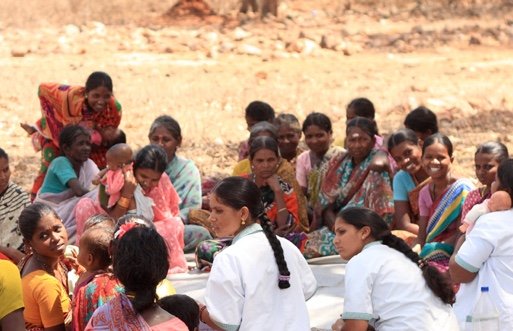
Reproductive & Child Health is the pilot initiative of Swabhiman aimed at providing basic primary healthcare, addressing issues of prognancy, newborn and child health, and facilitating access to public and private health facilities. Efforts are made to provide accessible and comprehensive reproductive health services, education, and resources to women of childbearing age. This includes promoting family planning methods, offering counseling on contraception, and ensuring access to contraceptives and family planning clinics Through continuous communication activities in households and communities.
Health Camps

Life Skills Session

Telemedicine

Counseling

Awareness Sessions for Women

2. Nutrition Enhancement

Studies have shown that the child's health in their first 1.000 days of life is critical and as it influence the outcomes during childhood and later in adulthood. Hence, It becomes imperative to ensure healthy pregnancy and healthy mothers and children. Nutrition Enhancement Programme focuses to strengthen the physical infrastructure and initiatives of the government system, build awareness and knowledge amongst the community. The programme also involves engaging with various stakeholders through capacity building. Through the Nutrition Enhancement Programme, there is an overall Improvement in the health outcomes, which ensures that vulnerable populations have access to adequate and nutritious food. The programme seeks to empower communities and individuals with the knowledge and resources necessary to make informed decisions. about their nutrition and lead healthier lives. Some of the key activities under the program include:

Refurbishment of Anganwadi centres

Amplifying significant days to bring behavioral change

Capacity Building Sessions of Anganwadi Workers

Knowledge building of pregnant women and mothers

Retaining practices and learning in the community

Establishing community and individual kitchen gardens

3. Entrepreneurship Development

Entrepreneurship and skill development training is provided to women from urban slums and rural areas with limited means owning low scale businesses, giving them access to opportunities for economic empowerment, independence, and leadership. Fostering entrepreneurship among women breaks down traditional gender roles, promotes gender equality, and contributes to overall societal progress. The dedicated efforts to empower women through entrepreneurship development takes various steps to support and uplift women in their entrepreneurial journeys, providing access to training, mentorship, and capacity-building programs that equip women with the skills and knowledge needed to start and manage successful businesses. Industry experts join in-house Swabhiman trainers to help the women understand and apply the basics of business and financial management, marketing and communication. They are familiarized with ways and opportunities to scale up and expand their small-scale endeavors to maximize profit and grow as independent, successful entrepreneurs. The programme also facilitates networking opportunities connecting women entrepreneurs with peers, industry experts, and potential investors.

4. Digital Financial Literacy

The Digital Financial Literacy initiative has been empowering women with the knowledge and skills to effectively navigate the digital financial landscape. This programme provides education and training on various aspects of digital finance, including online banking, mobile payments, budgeting tools, and safe online transactions. It equips women with the necessary skills to manage their finances, make informed decisions, and access financial services through digital platforms.

5. Sustainability in Communities

Swabhiman by far has been able to affirm through community actions and advocacy that though women face numerous socio-cultural challenges coming from their prescribed societal roles and ascribed status within the family, community, and society, contravening such challenges is very much possible through creation of opportunities and enabling environment. The mainstay of Swabhiman programme's community outreach is through Change Agents, Peers Educators, Community Health Educators and Swabhiman Health Volunteers. These change agents are identified from the community and empowered through regular training sessions on relevant issues. They further educate and spread awareness among their peers in the community. Such interventions and innovations lead to a comprehensive approach that addresses social, economic, and health challenges, promoting sustainable development, and leaving a positive and lasting impact on individuals, communities, and society as a whole.

The Best Way to Make a Difference in the Lives of Others